
Meaning of Rose Colours: A Comprehensive Guide for Valentine’s Day and Beyond

The Meaning Behind Every Rose Colour
Roses have long been one of nature’s most expressive ways to convey emotion. Across cultures and generations, they have been used to communicate feelings that are not always easy to put into words, from love and admiration to gratitude and remembrance. Their beauty captures attention, but it is their meaning that lingers.
The meaning of rose colours goes beyond appearance. Each shade carries its own emotional tone, and even subtle differences can gently shift the message. A deep crimson feels more intense than a bright red, while cream and ivory offer different expressions of warmth and elegance. These nuances matter most when a bouquet is meant to speak from the heart.
This is especially true on Valentine’s Day. While red roses remain timeless, modern Valentine’s Day gifting embraces a broader palette. Pink, white, lavender, and coral roses now express affection, sincerity, and lasting connection in more personal ways. In Singapore, where floral gifting is woven into many relationships, understanding these cultural meanings of rose colours helps every bouquet feel thoughtful, intentional, and deeply felt.
Key Takeaways:
|

The Language Of Roses And Their Symbolism
Roses communicate through colour long before any message is written. Each shade carries its own emotional weight, shaped by history, culture, and the way flowers have been used for centuries to express what words cannot always capture. Knowing what rose colours represent turns a bouquet into something deeply personal and emotionally meaningful.
From classic red roses that symbolise romantic devotion to gentler hues that convey admiration, gratitude, or quiet respect, rose symbolism offers a nuanced way to communicate feelings. This becomes especially meaningful during Valentine’s Day, when rose colours often speak in place of carefully chosen words. When each shade is selected with intention, the gesture feels thoughtful, sincere, and perfectly attuned to the moment being shared.

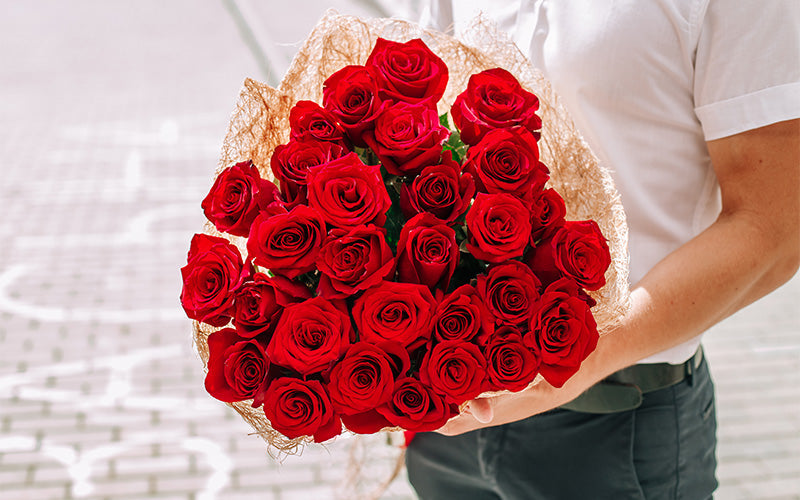
Red Roses: Passion, Love, And Devotion
Red roses remain the most iconic expression of romantic love. They represent passion, devotion, and emotional intensity, which is why they remain central to Valentine’s Day traditions. When people think about the meaning of Valentine's Day roses, red roses are often the first image that comes to mind, expressing love that is bold, confident, and unmistakable.
Beyond their romantic association, red roses also carry deeper layers of symbolism. They can convey respect, courage, and admiration, especially when given outside of purely romantic contexts. Darker red shades tend to reflect mature, lasting love and gratitude, while brighter reds feel more vibrant and joyful. Whether chosen for anniversaries, proposals, or meaningful Valentine’s Day gestures, a red rose bouquet continues to speak with timeless clarity and emotional strength.

White Roses: Purity, Unity, And Remembrance
White roses symbolise purity, sincerity, and unity. They are most often associated with weddings, where they reflect shared beginnings and enduring bonds. For Valentine’s Day, white roses are sometimes chosen to express honest intentions or a form of love rooted in respect, trust, and emotional clarity rather than passion alone.
White roses also carry a quiet role in remembrance and reflection. They convey peace, humility, and reverence, offering comfort during moments of loss without overwhelming emotion. Their understated elegance allows them to move effortlessly between celebratory and commemorative settings, making them among the most versatile and meaningful expressions of rose colours.

Cream Roses: Elegance And Admiration
Cream roses carry the softness of white roses while offering a warmer, more refined presence. They symbolise admiration, charm, and quiet appreciation, making them a graceful choice for expressing regard without intensity. For Valentine’s Day, cream roses are well suited to relationships built on mutual respect and long-term companionship, where affection is conveyed with subtlety rather than grand display.
Their understated elegance also makes them well-suited to professional and formal gifting. When selected and arranged by a thoughtful florist in Singapore, cream roses reflect balance, poise, and good taste. Their role within rose colours is tied to sincerity and calm confidence, allowing their meaning to come through gently rather than boldly.

Peach Roses: Gratitude And Modesty
Peach roses express sincerity, modesty, and heartfelt gratitude. They are often chosen to say thank you in a warm, genuine way, without being overly emotional. For Valentine’s Day, peach roses are especially fitting for newer relationships or moments where appreciation sits comfortably alongside affection.
Their soft, welcoming tone reflects the emotional meanings of roses associated with kindness, humility, and gentle care. Among the broader spectrum of rose colours, peach carries a quieter meaning, offering warmth and thoughtfulness without intensity, which is why it remains both versatile and deeply considerate.

Yellow Roses: Friendship And Joy
Once misunderstood, yellow roses are now closely associated with joy, friendship, and shared happiness. They symbolise warmth and optimism, making them a bright and uplifting choice for celebrating platonic bonds and genuine companionship.
For Valentine’s Day, yellow roses are often exchanged between friends or included in mixed arrangements to honour connection without romantic expectation. Across the spectrum of rose colours, yellow carries a meaning that reflects a more inclusive view of love, one that embraces friendship, support, and shared moments, reinforcing modern rose meanings for every occasion.

Light Pink Roses: Grace And Well Wishes
Light pink roses symbolise gentleness, grace, and compassion. They are often chosen to express admiration without romantic pressure, making them suitable for relationships where affection is conveyed with sensitivity and care. On Valentine’s Day, light pink roses offer a thoughtful alternative, communicating warmth and tenderness rather than intensity.
They also appear frequently in sympathy arrangements, where their softness brings comfort and reassurance. Across the range of rose colours, light pink carries a meaning rooted in emotional balance and quiet understanding, which is why it sits so naturally within a luxury flower bouquet designed to express layered, heartfelt emotion.

Dark Pink Roses: Appreciation And Gratitude
Dark pink roses convey a sense of appreciation and respect that feels deeper and more assured. They are often chosen to honour someone who has made a lasting impact, such as a mentor, close friend, or long-time partner, where gratitude carries genuine emotional weight.
On Valentine’s Day, dark pink roses symbolise enduring admiration and gratitude in established relationships. Their richer tone adds depth and sincerity, offering a meaningful alternative within the various rose colours for expressing affection without relying solely on red.

Orange Roses: Energy And Enthusiasm
Orange roses combine the warmth of yellow with the intensity of red, symbolising enthusiasm, fascination, and vibrant energy. They are often chosen to mark milestones or the start of a new chapter, where excitement and momentum are part of the story.
For Valentine’s Day, orange roses suit relationships driven by creativity, inspiration, and shared passion for growth. Among the wider range of rose colours, their meaning leans towards confidence and celebration, making them a natural fit for a congratulatory flower bouquet that honours achievement and forward movement.

Coral Roses: Prosperity And Admiration
Coral roses symbolise admiration, success, and optimism. Their vibrant tone conveys encouragement and pride, making them a fitting choice for celebrating achievements and positive milestones.
Although less traditional for Valentine’s Day, coral roses are increasingly chosen to express joyful admiration. Within the broader palette of rose colours, their meaning feels modern and uplifting, resonating with couples who appreciate contemporary expressions of affection, especially when presented as part of a thoughtfully curated bouquet.

Purple Roses: Enchantment And Mystery
Purple roses carry an air of enchantment, fascination, and intrigue. Often associated with love at first sight, they suit romantic gestures that feel imaginative and slightly unconventional.
For Valentine’s Day, purple roses can reflect a relationship that feels magical or deeply inspiring. Across the spectrum of rose colours, their meaning is tied to mystery and wonder, appealing to those who appreciate symbolism that feels expressive, artistic, and a little unexpected.

Lavender Roses: Dignity And Rarity
Lavender roses symbolise grace, refinement, and individuality. They are often chosen to honour someone who stands out in a quiet, elegant way, where appreciation feels sincere and deeply felt.
When given on Valentine’s Day, lavender roses are sometimes linked to rare and meaningful love. Within the broader range of rose colours, their meaning leans towards dignity and subtle beauty, making them especially suitable for anniversaries, weddings, or thoughtfully designed bridal flower bouquets.

Green Roses: Renewal And Harmony
Green roses represent renewal, balance, and growth. Their fresh tone is closely associated with harmony, well-being, and the steady unfolding of new beginnings.
While they are less common for Valentine’s Day, green roses can symbolise a relationship entering a new phase or growing in a more grounded, intentional way. Across the range of rose colours, their meaning leans towards continuity and renewal, making them especially suitable for housewarmings, recovery gestures, or arrangements paired with a preserved flower bouquet to reflect longevity and care.

Burgundy Roses: Inner Strength And Quiet Beauty
Burgundy roses convey admiration for inner beauty, emotional depth, and quiet confidence. Their rich, velvety tone reflects maturity and strength that does not seek attention, making their presence feel deeply assured.
For Valentine’s Day, burgundy roses speak to long-standing affection that is profound rather than showy. Among the spectrum of rose colours, their meaning lies in depth and sincerity, which is why they pair so naturally with intimate romantic gestures such as proposal flowers, where emotion feels personal and deeply felt.

Black Roses: Farewell And Transformation
Black roses are rare and deeply symbolic, often associated with endings, transformation, and renewal. They are sometimes chosen to mark closure or significant transitions, carrying meaning that feels reflective rather than decorative.
Because their symbolism can be complex, black roses are best accompanied by a thoughtful message to clarify intention. Within the wider range of rose colours, their meaning leans towards resilience and rebirth. While unconventional for Valentine’s Day, they may resonate with couples who appreciate symbolism rooted in strength, change, and renewal.

Choosing The Right Rose For Every Occasion
Choosing roses is less about personal colour preference and more about aligning emotion with the moment. Different occasions carry different emotional tones, and the right rose shade helps a message land with sincerity and care. Romantic gestures, celebrations, professional milestones, and moments of remembrance each call for their own expression.
Valentine’s Day, in particular, encourages more thoughtful choices beyond tradition alone. While red roses remain timeless, other shades can convey admiration, gratitude, friendship, or long-lasting affection just as meaningfully. When rose colours are chosen with understanding, every bouquet feels thoughtful rather than habitual, creating a more genuine sense of connection.
Romantic And Personal Gestures
Red roses remain at the heart of Valentine’s Day traditions, expressing love and devotion with clarity and confidence. Pink and lavender roses offer gentler alternatives, suited to admiration and tenderness, while burgundy and coral roses bring emotional depth and a sense of pride to romantic expressions.
Mixing rose colours allows for more personal storytelling. Red paired with white can suggest unity, while pink combined with red blends admiration with romance. Seen through the lens of rose colour symbolism, a single stem can be just as meaningful as a grand Valentine’s bouquet when chosen with intention.
Celebrations, Friendship, And Gratitude
Yellow roses are well-suited to joyful celebrations and birthdays, while peach and dark pink roses express appreciation and respect with warmth and sincerity. Orange and coral roses work beautifully for achievements and milestones, often appearing in a birthday bouquet or celebratory arrangement that reflects shared pride and encouragement.
Green and cream roses bring a sense of balance and composure to more formal settings. Chosen with care, they are well suited to professional milestones, refined celebrations, and anniversary flowers, where colour symbolism conveys recognition and steady appreciation without being overstated.

Questions You Might Have
Can I mix different rose colours in one bouquet?
Yes. Mixing rose colours allows you to layer meaning and create a more personalised message. For example, red paired with white often symbolises unity and shared commitment, while pink combined with yellow reflects warmth, joy, and friendship. Mixed bouquets are especially useful when a single emotion does not fully capture what you wish to express.
Which rose colours are suitable for sympathy or remembrance?
White, cream, and soft pink roses are most commonly chosen for moments of sympathy or remembrance. Their gentle tones convey peace, respect, and quiet support, making them appropriate for condolence flower arrangements. These colours offer comfort without detracting from the sentiment behind the gesture.
What rose colours work well for professional gifting?
Cream, peach, and dark pink roses are well-suited to professional or formal settings. They communicate appreciation, respect, and recognition without romantic overtones. These shades are often chosen for workplace milestones, expressions of thanks, or corporate gifting where balance and discretion are important.
What is the significance of preserved or dyed roses?
Preserved roses retain their original symbolism while lasting significantly longer than fresh blooms, making them meaningful keepsakes. Dyed roses, on the other hand, introduce creativity and individuality. They are often chosen to represent transformation, uniqueness, or a personal story that goes beyond traditional colour meanings.
Let Rose Colours Speak From The Heart
The symbolism behind rose colours is shaped by centuries of tradition and shared emotion. Each shade carries its own quiet story, allowing roses to communicate feelings with clarity and depth. From the enduring passion of red to the gentle grace of white and the joyful warmth of yellow, roses continue to guide how love, appreciation, and care are expressed.
This understanding becomes especially meaningful during Valentine’s Day, when thoughtful choices turn simple gestures into lasting memories. Romance, friendship, gratitude, or admiration can all be conveyed with sincerity when rose colours are chosen with intention and awareness of what they represent.
At D’Spring Flowers, every arrangement is prepared with care and attentiveness to emotion. From refined everyday bouquets to thoughtfully composed Valentine’s designs, each creation is made to reflect what you wish to convey.
Order today and enjoy same-day delivery across Singapore, so your gesture arrives fresh, considered, and filled with meaning.