
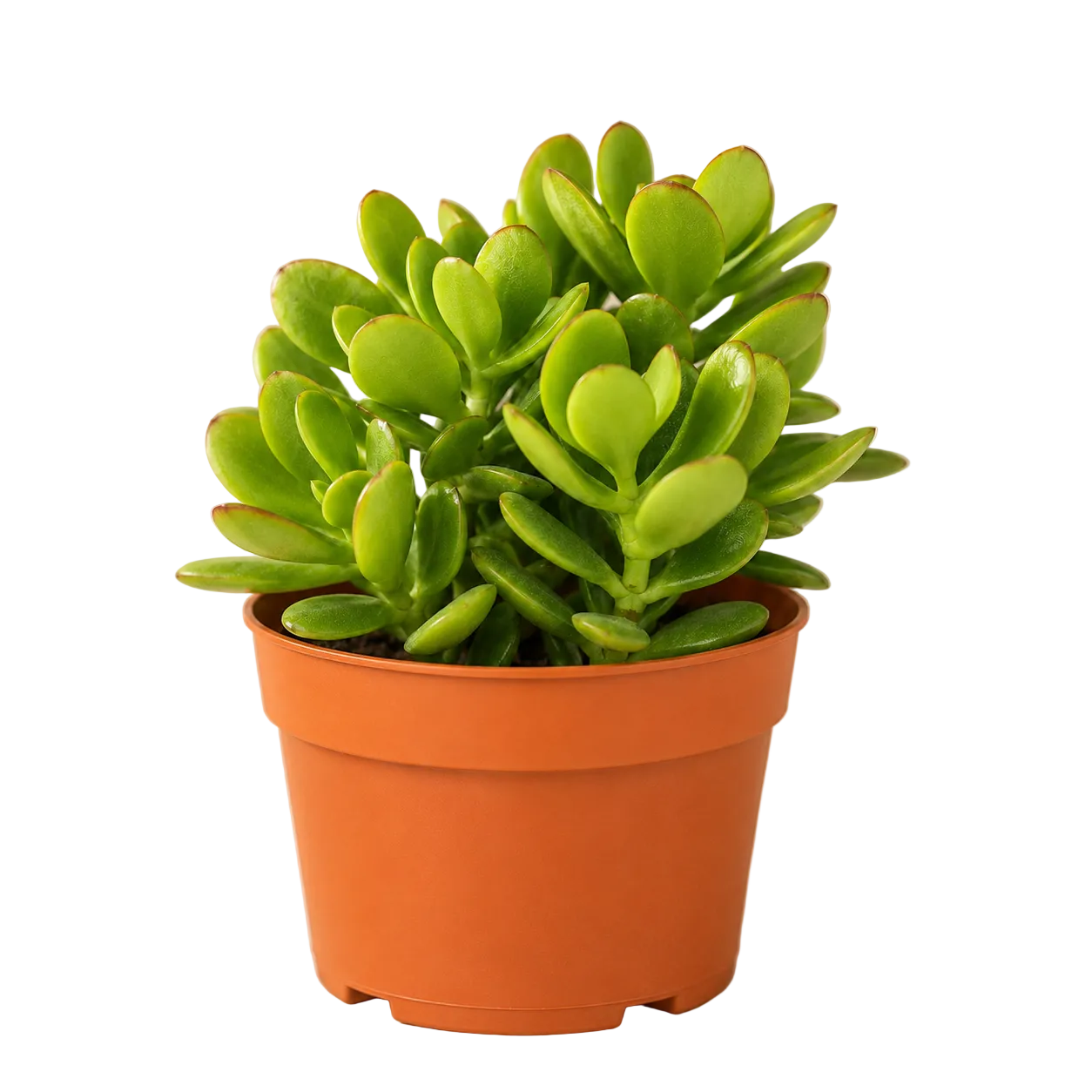
Dwarf Jade Plant Succulent | Home Plant
Jade Plants in Singapore for Homes and Gifting
Jade plants are known for their compact form, rounded leaves, and easy adaptability across different environments. Available in a range of sizes and pot styles, a jade plant acknowledged to fit comfortably into modern interiors, balconies, or workspaces without demanding constant attention.
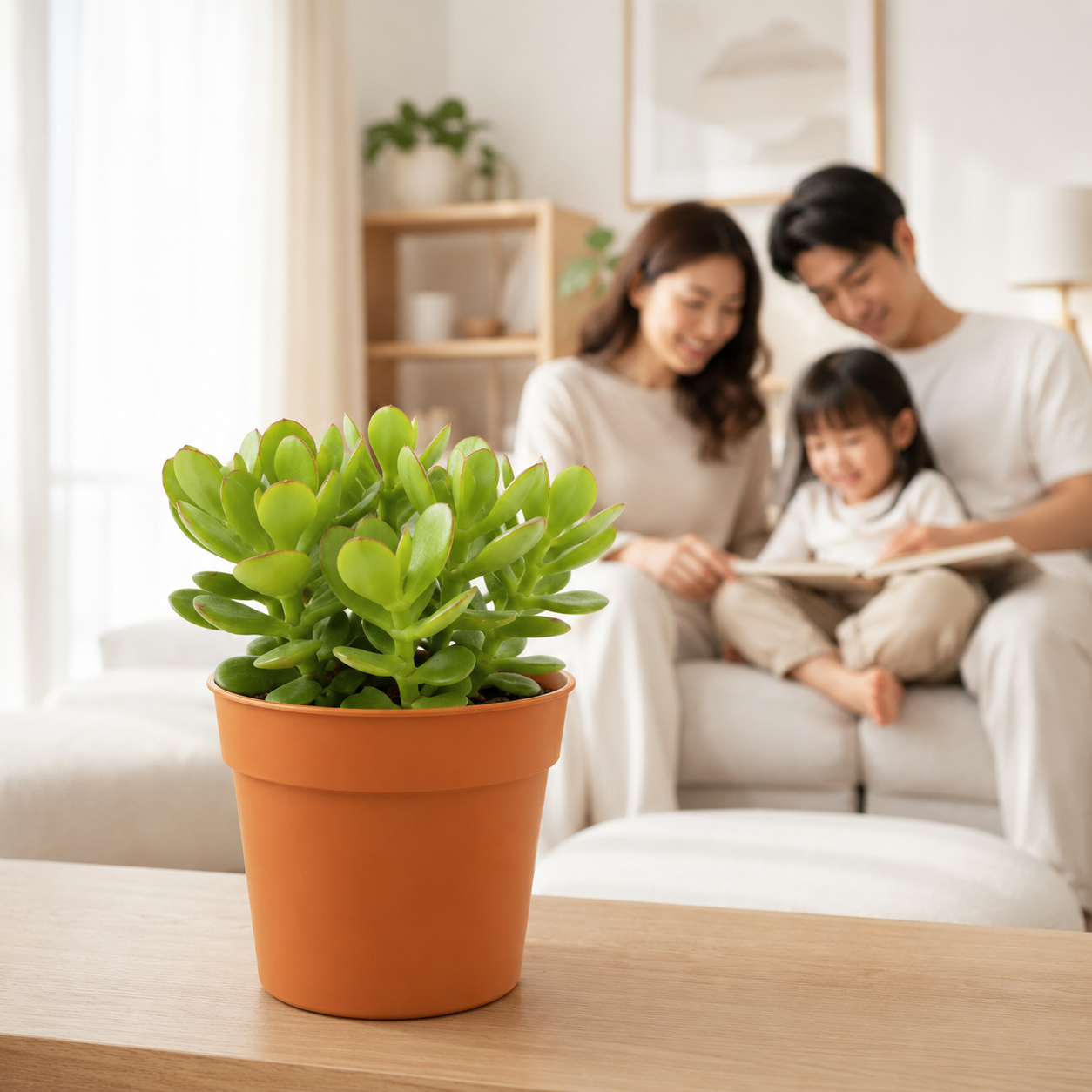
Smaller jade plants are often chosen for desks, shelves, or side tables, while larger potted options create a stronger visual presence in living areas or entryways. With both indoor-friendly and semi-outdoor placements, jade plants suit a variety of home layouts commonly found in Singapore.
In gifting traditions, jade plants are sometimes regarded as lucky plants, associated with ideas of prosperity and positive beginnings. When framed gently around cultural beliefs rather than guarantees, this symbolism adds a thoughtful layer to gifting, making jade plants a popular choice for housewarmings, new ventures, or meaningful occasions.
Why Jade Plants Are Considered Lucky Plants
Jade plants are commonly associated with positive symbolism across different cultures, often linked to prosperity, steady growth, and good fortune. This perception comes from their coin-shaped leaves and slow, enduring growth habit, which many view as a reflection of stability rather than quick change.
• Jade plants are often regarded as lucky plants because they symbolise gradual progress and long-term abundance, rather than immediate outcomes.
• Their resilient nature reinforces ideas of continuity and balance, making them a popular presence in everyday spaces.
• In indoor settings, a jade plant works well on desks, shelves, and side tables, adding greenery without overwhelming the space.
• In offices or reception counters, jade plants are commonly placed as a welcoming feature, valued for their neat form and easy maintenance.
In Singapore, jade plants are appreciated not only for their symbolism but also for how naturally they fit into both home and professional environments, offering quiet presence and long-lasting appeal.
Frequently Asked Questions
Yes. Jade plants adapt well to indoor spaces with bright, indirect light. They are commonly placed on desks, shelves, and living room surfaces, making them a practical choice for homes and offices in Singapore.
Jade plants are relatively low maintenance. They prefer well-drained soil and do not require frequent watering, which makes them suitable for individuals who want greenery without intensive upkeep.
They can. Jade plants pair well with structured greenery such as a bonsai tree in Singapore, creating contrast between sculptural form and fuller foliage. Mixing plant types adds depth without overcrowding a space.
Yes. Their compact growth and neat appearance make jade plants appropriate for offices, reception counters, and shared spaces where visual order and ease of care matter.
Compared to options like the snake plant, jade plants require slightly more attention to light but less frequent watering. The choice often depends on available light and personal preference rather than care difficulty alone.