
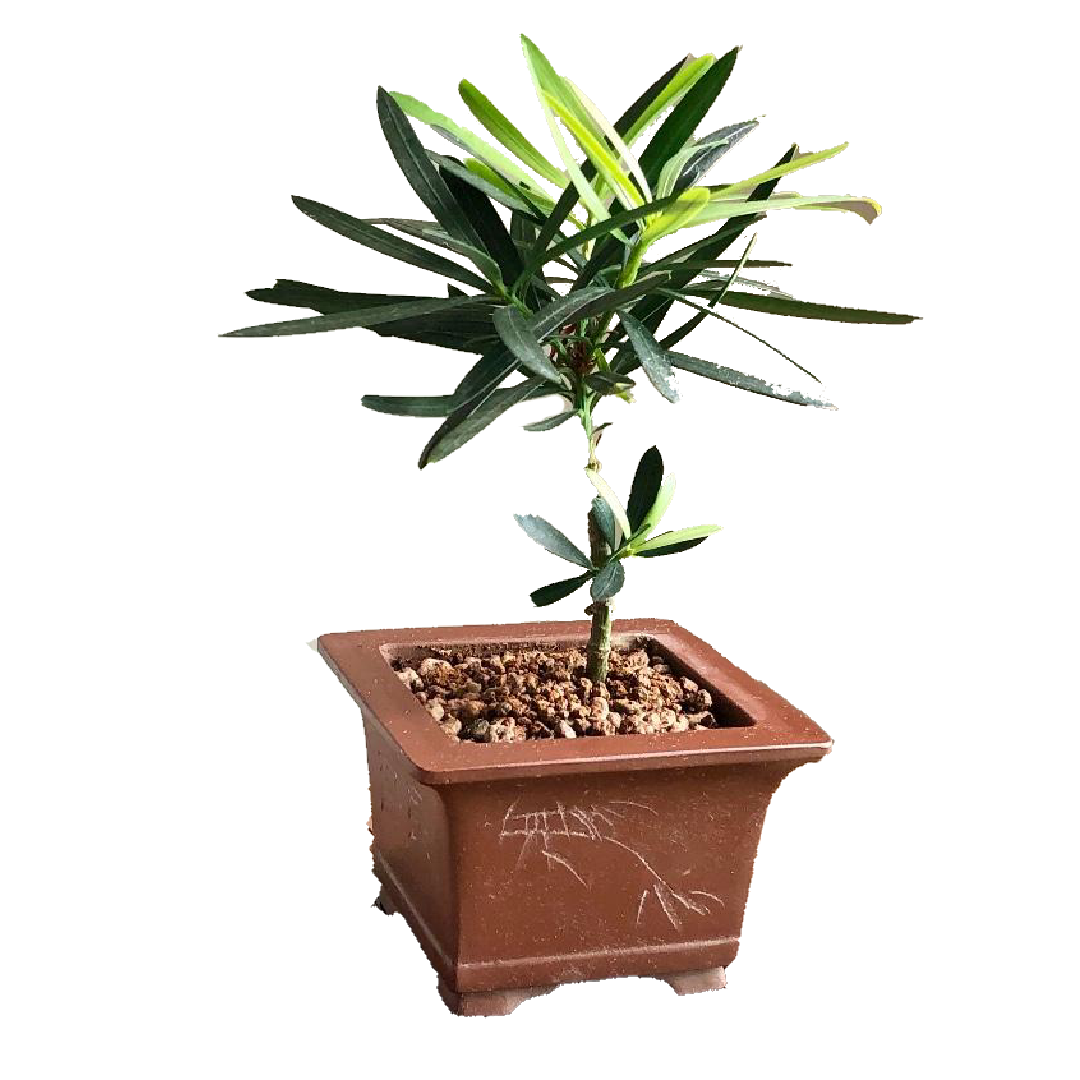
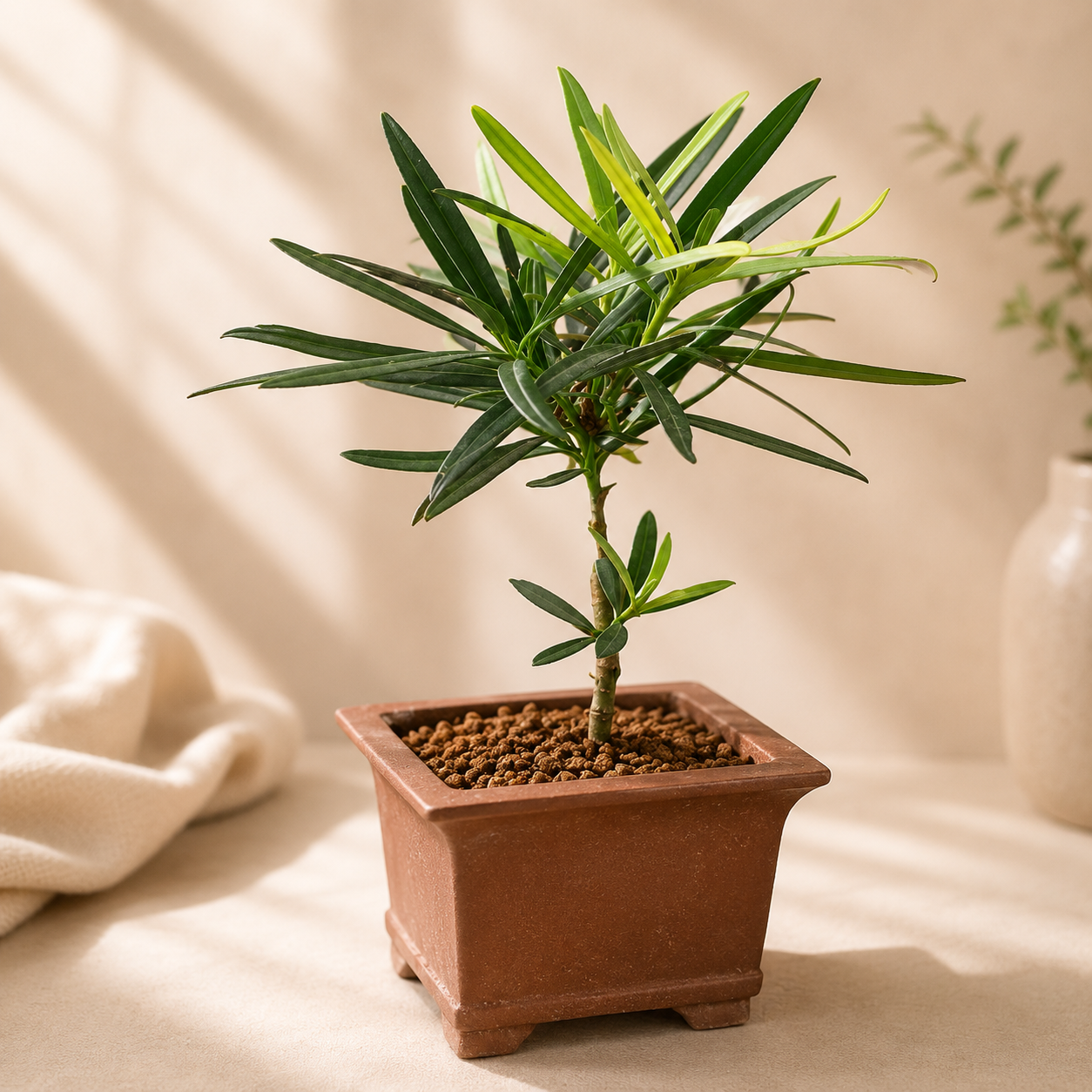
Why Bonsai Plants Are Popular in Singapore
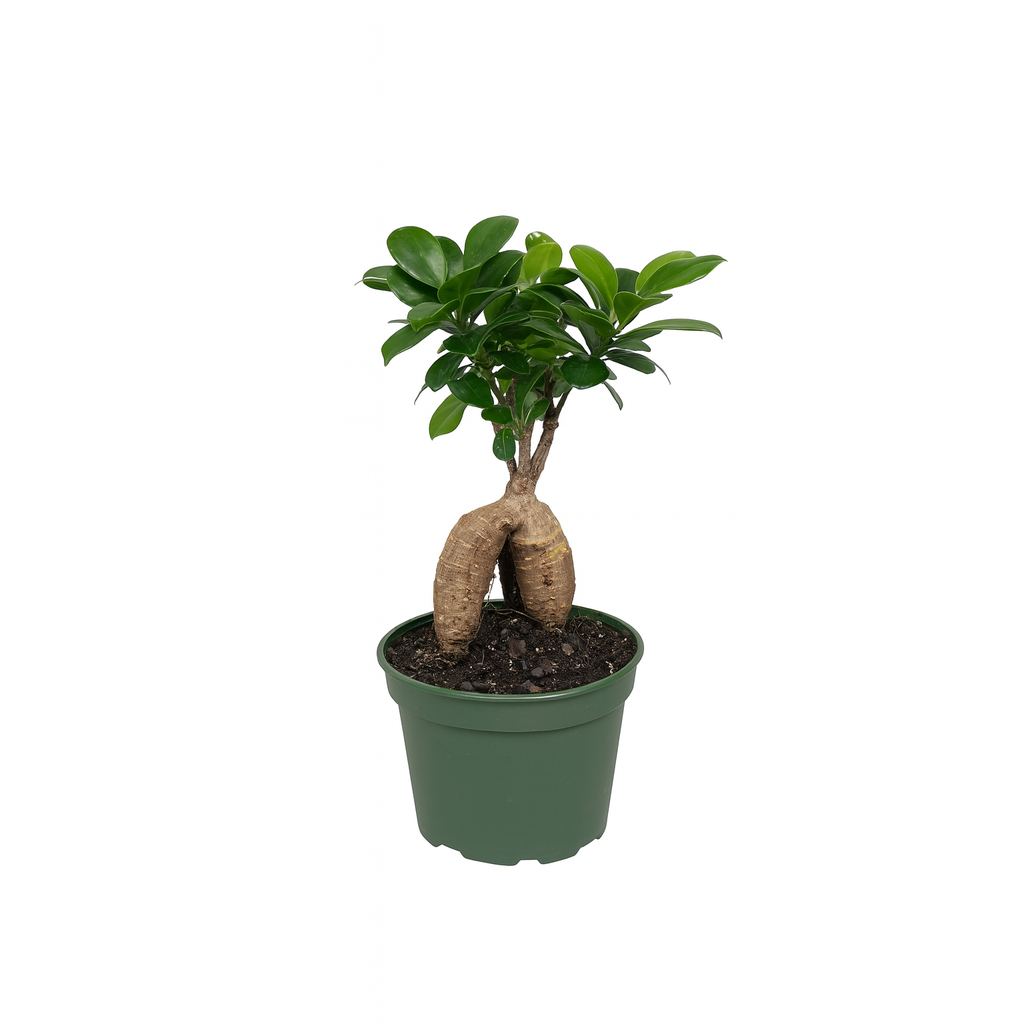
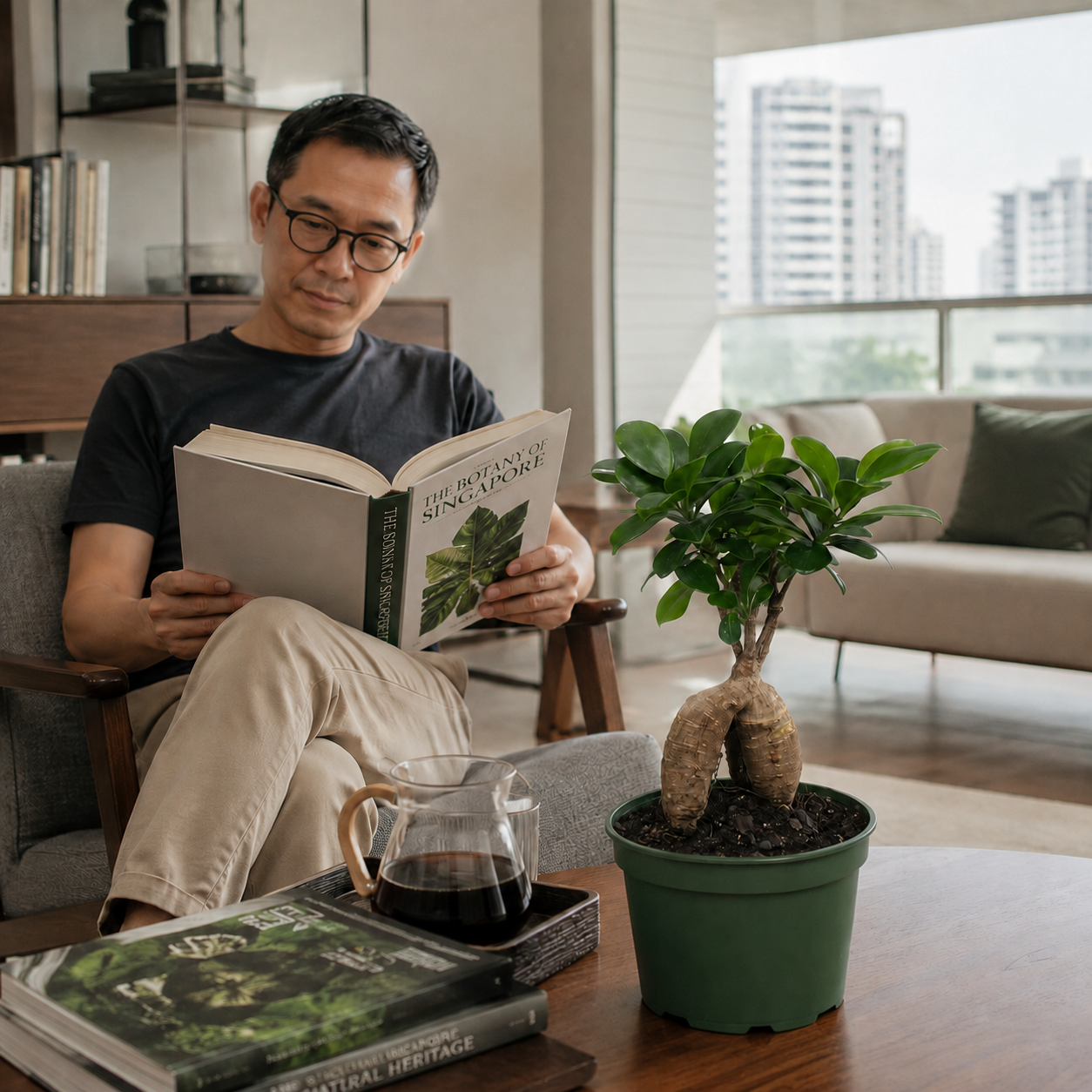
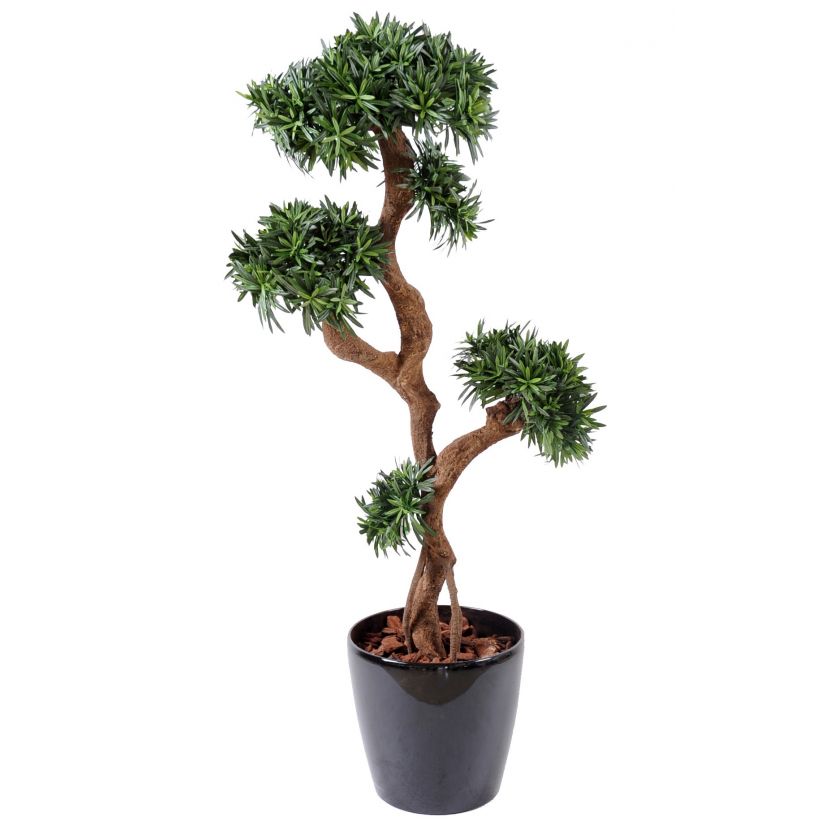
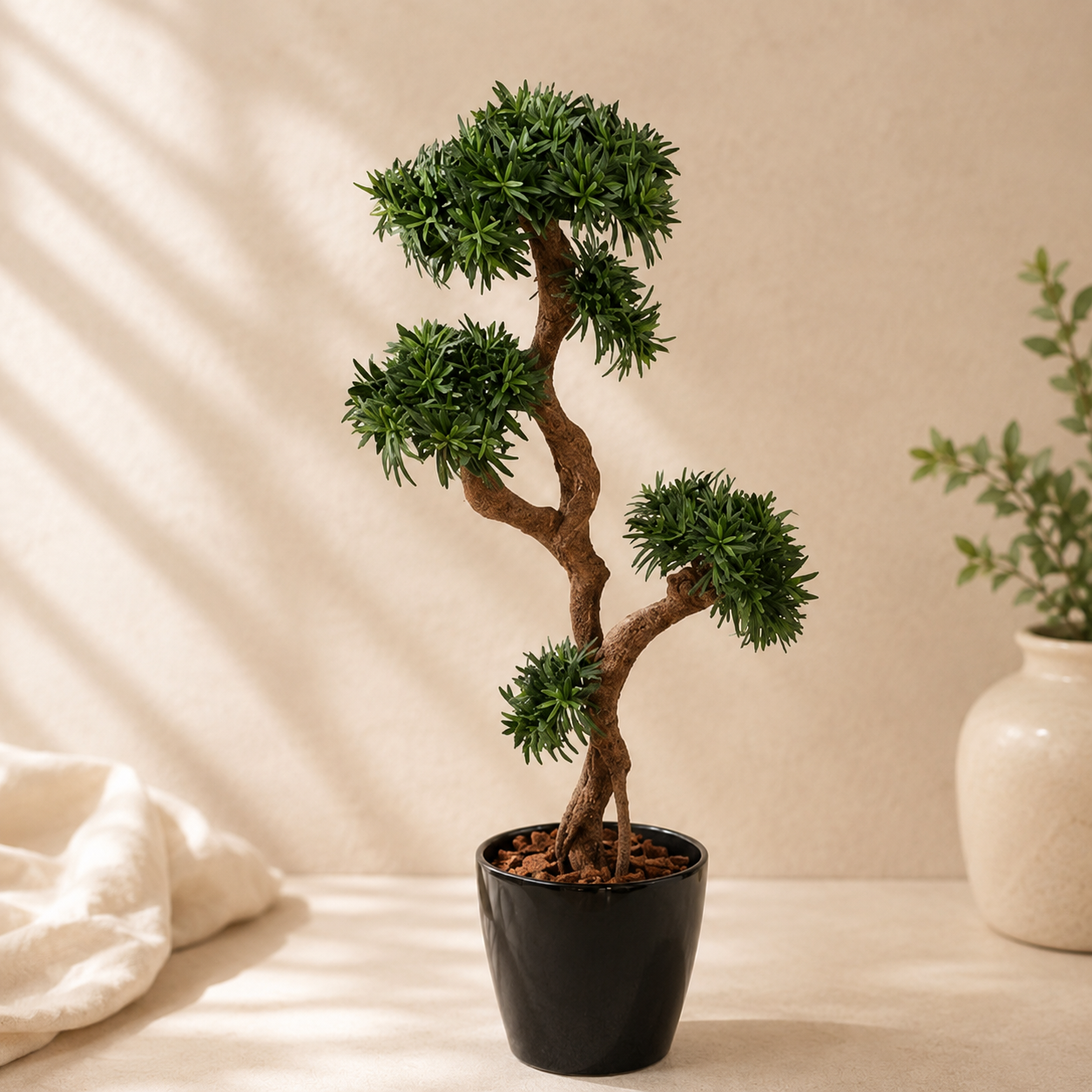
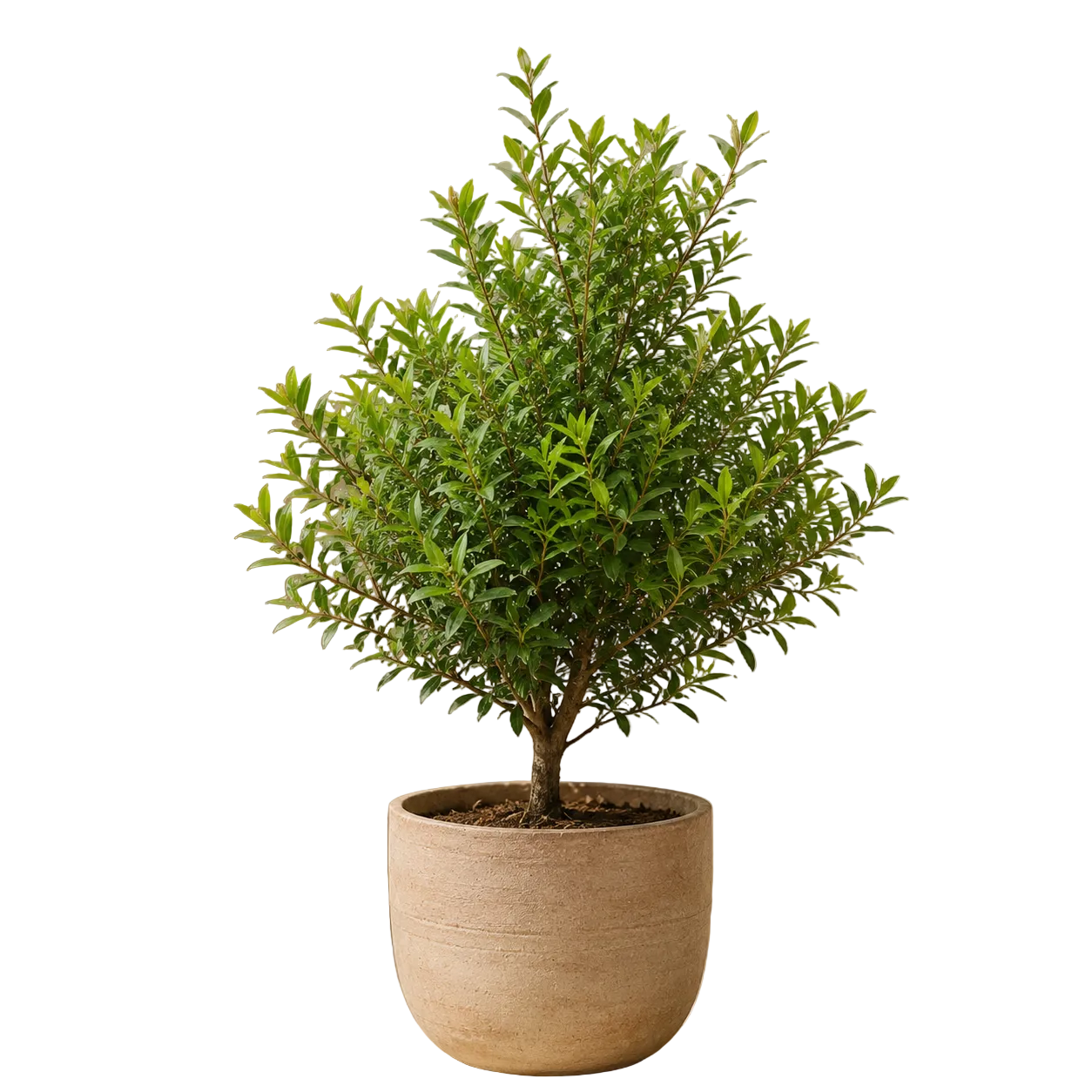
Bonsai plants are a natural fit for modern Singapore living. Their compact form makes them easy to place on desks, shelves, or small corners, whether at home or in the office. A carefully chosen bonsai tree can add structure to a workspace, soften a living area, or create a calm focal point on a balcony.
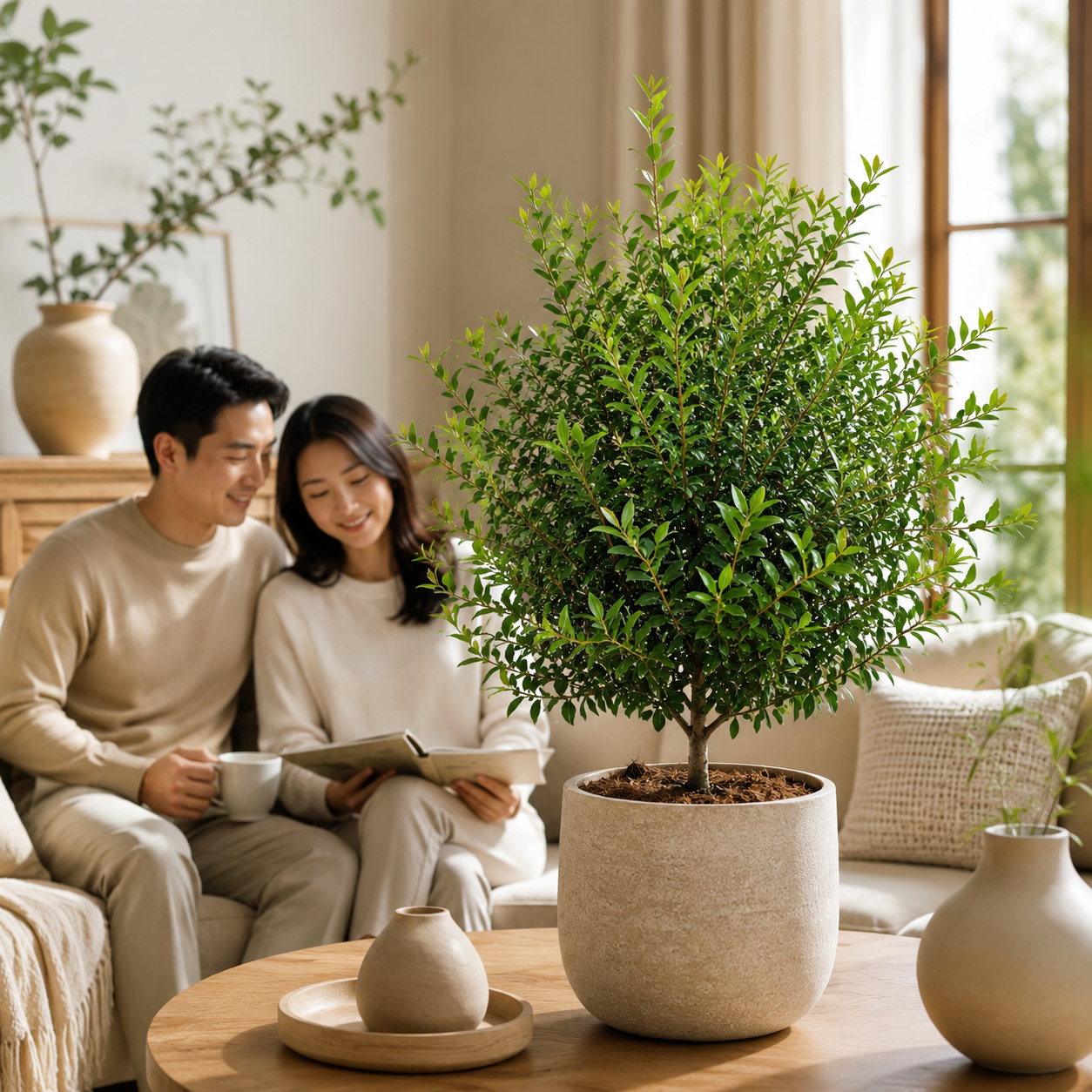
Beyond their visual appeal, bonsai plants are often chosen for their lasting presence. They require steady care but reward it with gradual growth, making them a meaningful gift or long-term addition to a space. In homes, offices, or as thoughtful presents, they offer a quiet sense of balance that feels both practical and enduring.
Choosing the Right Bonsai Plant
Selecting a bonsai starts with where it will be placed and how it will be cared for. A well-matched plant fits naturally into daily routines and the surrounding space.
Indoor Bonsai for Homes and Offices
Indoor bonsai thrive in bright, indirect light. They suit desks, shelves, and air-conditioned spaces, adding a calm, structured presence without requiring outdoor exposure.
Outdoor Bonsai for Balconies and Gardens
Outdoor bonsai benefit from natural sunlight and airflow. Balconies with partial shade or gentle morning sun are ideal for healthy growth and fuller foliage.
Beginner-Friendly Bonsai Plants
Resilient varieties are easier to care for and adapt well to indoor conditions. These are suitable for new plant owners building confidence with watering, light placement, and basic upkeep.
Caring for Bonsai Plants in Singapore’s Climate
Caring for a bonsai plant involves a few consistent habits rather than complex routines. In Singapore, warmth and humidity influence how bonsai are watered, placed, and maintained over time.
- Watering should be guided by soil condition rather than a fixed schedule. The surface should feel slightly dry before watering again, helping prevent over-saturation in humid conditions.
- Light placement matters. Bright, indirect light suits most indoor bonsai, while outdoor bonsai benefit from gentle morning sun and protection from harsh afternoon heat.
- General upkeep includes light pruning to maintain shape, occasional cleaning of leaves, and ensuring proper drainage to support healthy roots.
With steady care and attention to placement, a bonsai tree adapts well to the local environment, remaining balanced and visually pleasing throughout the year.
Frequently Asked Questions
Yes. Some bonsai varieties are more forgiving and adapt well to simple care routines. Choosing a beginner-friendly bonsai helps build confidence while learning basic watering, light placement, and pruning habits.
They can. Many bonsai plants do well indoors when placed near bright, indirect light and away from strong air-conditioning drafts. Indoor conditions in Singapore are generally suitable when watering is adjusted for humidity.
Watering depends on the plant type and environment. Checking soil moisture regularly is more reliable than following a fixed schedule, especially in humid climates where soil retains moisture longer.
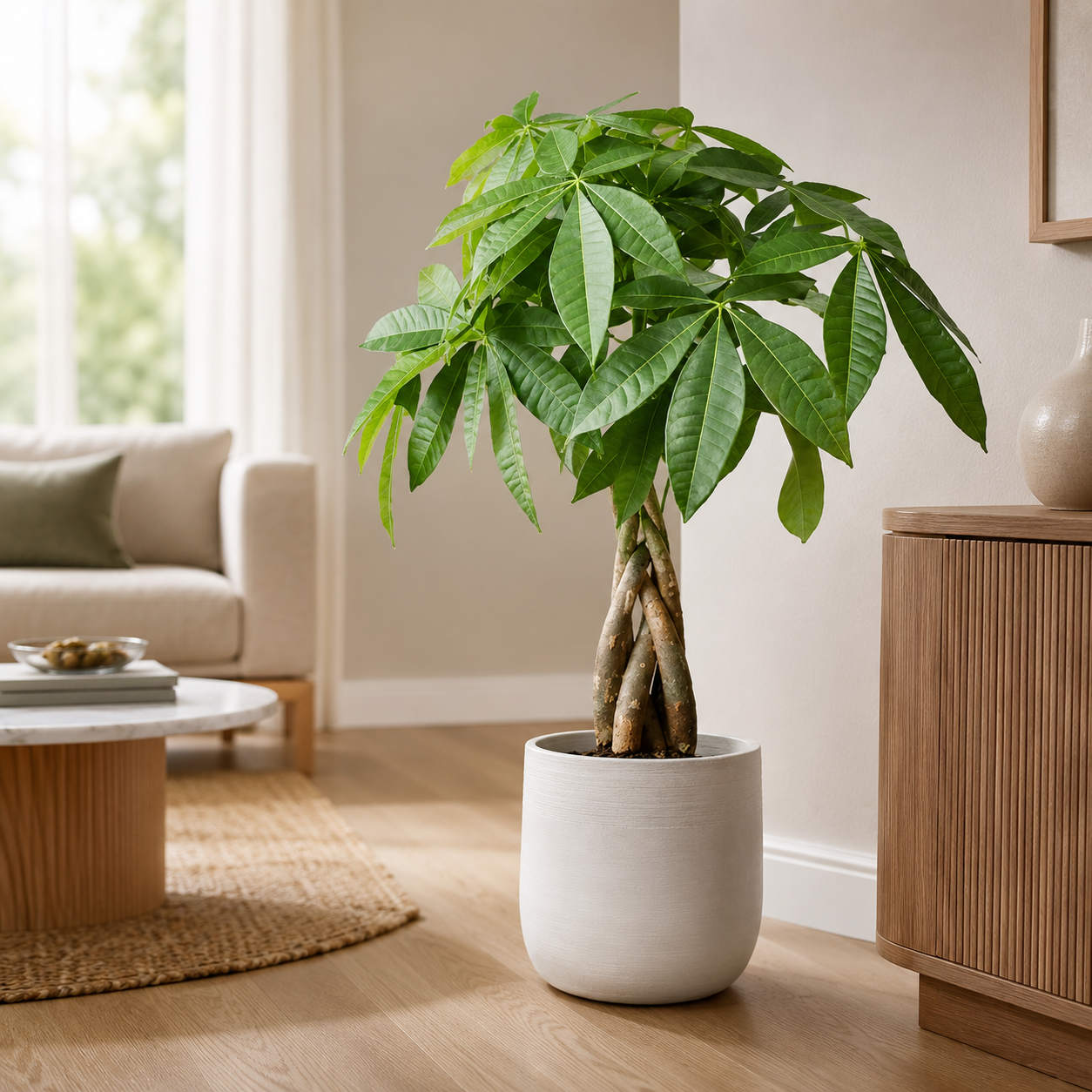
Bonsai plants require more hands-on care compared to low-maintenance options such as the jade plant in Singapore or the mother's tongue plant, which are often chosen for their resilience and minimal upkeep.
They can be. Bonsai plants are often selected as meaningful gifts due to their lasting presence and sculptural form, making them suitable for homes or workspaces where they can be appreciated over time.