Floral Gift Etiquette in Asian Cultures

Key Takeaways:
- Flower colours carry different meanings across Asia, with red often linked to prosperity and white commonly associated with remembrance.
- Some flowers have strong cultural significance, making them more suitable for certain occasions than others.
- Numbers can influence floral gifting, with some considered auspicious and others traditionally avoided.
- Simple, thoughtful presentation is often valued in many Asian gifting traditions.
Understanding local customs helps make giving flowers more meaningful and respectful.
Flower Gifting Etiquette and Symbolism Across Asia
Across Asia, flowers are woven into many of life's meaningful moments. They are given to celebrate milestones, mark important traditions, express gratitude, and strengthen personal connections. From birthdays and weddings to festive gatherings and family occasions, giving flowers remains a thoughtful gesture that conveys care, respect, and goodwill.
However, the meaning behind a bouquet is not always universal. Different cultures may associate certain colours, flower varieties, numbers, or gifting practices with specific occasions and traditions. A flower that symbolises joy in one country may carry a very different meaning in another. Understanding these differences can help ensure your flowers are received with appreciation and respect.
As with many cultural traditions, customs can vary by country, community, family, and occasion, so these guidelines are best viewed as a helpful starting point rather than a fixed set of rules.
How Colour Shapes Meaning Across Cultures
Colour plays an important role in flower gifting across many Asian cultures. Beyond personal preference, certain colours are often associated with specific emotions, occasions, and traditions, influencing how a bouquet is interpreted by the recipient.
In many East Asian cultures, red is regarded as an auspicious colour that represents happiness, prosperity, and good fortune. Red flowers are commonly chosen for celebrations such as weddings, festive gatherings, and business milestones, where they are seen as symbols of joy and success.
White flowers carry a different meaning in countries such as China, Japan, and Korea. While they are admired for their simplicity and elegance, they are often associated with mourning, remembrance, and funeral traditions. As a result, white blooms are generally reserved for sympathy arrangements and memorial occasions.
Other colours also carry their own symbolism. Yellow and gold flowers are frequently linked to positivity, abundance, and success, while pink blooms often convey affection, admiration, and warmth. The traditions surrounding flower colour symbolism in Asia continue to influence how flowers are selected for different occasions and relationships.
Flowers That Carry Strong Cultural Associations
Beyond colour, certain flowers carry cultural and symbolic meanings that can influence when and how they are given.
Chrysanthemums, for example, are often associated with funerals, remembrance, and honouring loved ones who have passed away in several East Asian cultures. While they are valued for their beauty and longevity, they may not always be the most appropriate choice for joyful celebrations.
Lotus flowers also hold special significance across many parts of Asia. Closely linked to purity, spirituality, and religious traditions, they are commonly seen in temples, places of worship, and ceremonial settings. Because of these associations, lotus flowers are generally reserved for more symbolic or religious occasions rather than everyday gifting.
Orchids, by contrast, are widely admired throughout Asia and are often associated with prosperity, elegance, and abundance. Their graceful appearance and positive symbolism make them a popular choice for housewarmings, business occasions, and important milestones.
These examples reflect how cultural flower meanings in Asia can shape floral gifting traditions and influence the suitability of certain flowers for different occasions.

The Significance of Numbers in Floral Gifting
In some parts of Asia, the number of flowers in a bouquet can carry symbolic meaning and may influence how a gift is received.
In Chinese culture, the number four is generally avoided because its pronunciation is similar to the word for death. For this reason, floral arrangements containing four stems are often considered unsuitable for celebratory occasions.
On the other hand, the number eight is widely regarded as auspicious and is closely associated with prosperity, wealth, and good fortune. Bouquets featuring eight stems are therefore a popular choice for celebrations and important milestones.
Number symbolism also appears in Japanese gifting traditions, although preferences can vary depending on the occasion. Certain numbers, particularly four and nine, are traditionally avoided because of their negative associations. Being mindful of these customs can help make a floral gift feel more thoughtful and appropriate.
Presentation and Modesty in Flower Giving
Beyond the flowers themselves, the way a bouquet is presented can also reflect important cultural values.
In many Asian cultures, humility, thoughtfulness, and consideration for others are highly regarded. Floral gifts are often presented in a simple and respectful manner, with the focus placed on the gesture rather than the display. While attractive wrapping is appreciated, understated presentation is often preferred over excessive decoration.
In some cultures, recipients may also accept gifts modestly or choose to open them in private. Rather than indicating a lack of appreciation, this is often seen as a sign of courtesy and respect.
Thoughtful presentation can help convey sincerity and care, ensuring that the act of giving flowers feels meaningful and appropriate for the occasion. In many cultures, respectful floral gifting is not only about choosing the right flowers but also about presenting them with consideration and sincerity.
Respecting Regional Differences Within Asia
Asia is home to a rich variety of cultures, traditions, and gifting practices. While flowers are widely appreciated across the region, the preferences and meanings associated with them can vary significantly from one community to another.
In India, flowers are deeply woven into celebrations, religious observances, and family gatherings. Bright, colourful blooms are often favoured, with vibrant arrangements reflecting joy, abundance, and festive spirit. During the Festival of Lights, floral arrangements are often used to bring colour and warmth to homes and gatherings, making Deepavali flowers a thoughtful gift for family and friends.
Across many Muslim communities in Southeast Asia, flowers are sometimes chosen as thoughtful gifts for festive visits and gatherings, helping to convey goodwill, hospitality, and appreciation. Thoughtfully selected Eid flowers can help convey warm wishes and strengthen connections with family and friends.
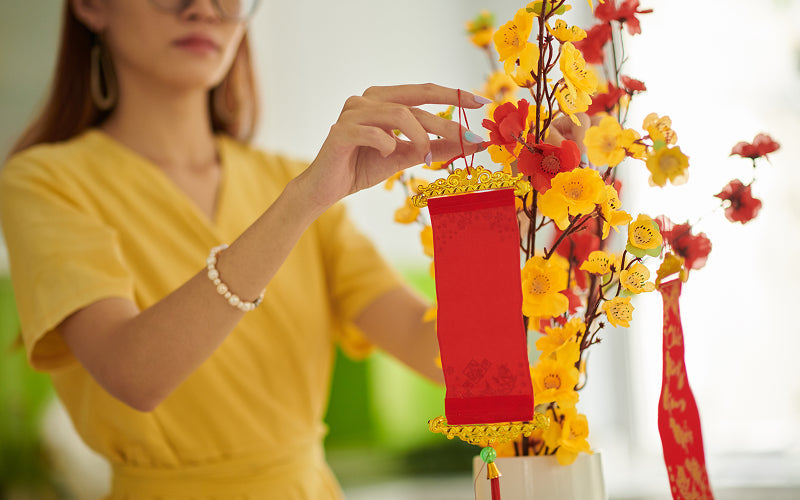
Among Chinese communities, flowers are especially popular during Lunar New Year celebrations. Many families decorate their homes with blooms believed to symbolise prosperity, success, and good fortune, making a CNY flower arrangement a popular part of Lunar New Year celebrations.
In many parts of Southeast Asia, everyday floral gifting often leans towards softer colours and understated designs. These arrangements reflect a preference for warmth, sincerity, and thoughtful gestures, showing that even simple bouquets can carry meaningful sentiments.

Giving Flowers With Thoughtfulness and Respect
Flowers have long been used to celebrate life's milestones, express gratitude, and strengthen relationships across cultures. Their beauty may be universal, but the meanings attached to different flowers, colours, and gifting customs can vary significantly from one community to another.
When it comes to giving flowers, a basic understanding of Asian flower gifting etiquette can help you choose blooms that feel both thoughtful and appropriate. If in doubt, select flowers with positive associations and be mindful of traditions surrounding flower types, colours, and numbers to ensure your gift is received in the spirit it was intended.
At D'Spring Flowers, we believe every bouquet should be as meaningful as it is beautiful. Whether you are celebrating a festive occasion, expressing appreciation, or marking an important milestone, our thoughtfully curated floral collections are designed to help you share your sentiments with care. Explore our floral collections today and enjoy same-day flower delivery across Singapore.