Flowers For Creativity: How Blooms Inspire Imagination

Key Takeaways:
- Observing colours, textures, and natural patterns in flowers can encourage closer attention and fresh perspectives.
- Colour, shape, fragrance, and symbolism all contribute to the connection between flowers and creativity.
- Many artists, writers, and designers have drawn inspiration from nature throughout history.
- Hands-on activities such as flower arranging and working with flowers can encourage self-expression, observation, and mindfulness.
- Different flowers create different moods, from calm reflection and concentration to energy, optimism, and artistic inspiration.
How Flowers Have Long Inspired the Imagination
Flowers have long been intertwined with artistic expression, influencing the way people think, feel, and express themselves. Across cultures and generations, artists, writers, designers, and storytellers have found inspiration in flowers, finding meaning in their colours, shapes, textures, and symbolism.
The connection between flowers and creativity extends beyond formal artistic traditions. In our daily lives, flowers can transform the atmosphere of a space, making it feel more inviting, uplifting, and stimulating. A simple arrangement on a desk, dining table, or in a reading nook can introduce colour and natural beauty, fostering moments of reflection and wonder.
Even today, many continue to seek inspiration from nature, and flowers remain one of the most accessible ways to infuse daily routines with that sense of beauty and possibility.
How Flowers Support a Creative State of Mind
Creativity often flourishes in environments that feel comfortable, engaging, and free from distraction. While flowers cannot generate ideas independently, they can help cultivate surroundings that encourage openness, curiosity, and exploration.
The natural beauty of flowers encourages people to slow down and pay closer attention to their surroundings. Subtle colour transitions, intricate petal patterns, and varying textures invite observation in a way that many everyday objects do not. This process of noticing details can help shift the mind away from routine thinking and towards a more exploratory mindset, where fresh ideas and new perspectives are more likely to emerge.
This may explain why flowers remain a common sight in creative studios, home offices, and personal workspaces. Their presence introduces warmth and visual interest, helping a room feel more inviting and less austere.
Stress Reduction That Encourages Creative Flow
When stress and mental fatigue begin to build, focusing, experimenting with ideas, or approaching challenges from a new angle can become more difficult. A calmer environment often helps people feel more receptive to creative thinking.
Flowers such as lavender and lisianthus are often appreciated for their gentle appearance and association with relaxation. Their soft colours and delicate forms contribute to a sense of balance, making a space feel more peaceful and restorative.
Flowers chosen for their calm and reflective qualities are frequently incorporated into home workspaces and reading corners. A thoughtfully arranged lily bouquet, for instance, can help create an atmosphere that feels elegant, comforting, and conducive to quiet concentration.
While flowers are not a solution to stress, they can contribute to a more calming environment. In busy workspaces or home offices, a floral arrangement can serve as a visual pause, giving the mind brief moments of rest throughout the day. These small moments of mental breathing space can make it easier to reflect, problem-solve, and approach ideas with greater clarity.
Visual Stimulation Through Colour and Form
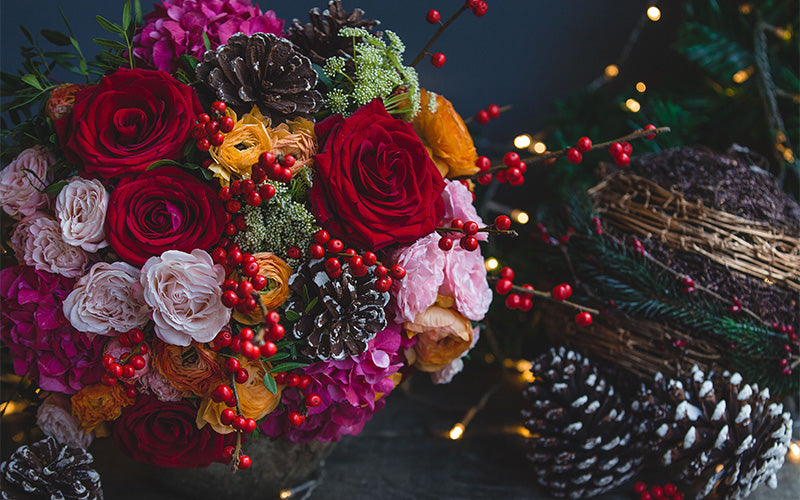
One of the most fascinating aspects of flowers and creativity is their sensory engagement. Their colours, textures, and forms offer an ever-changing source of visual interest, capturing attention and sparking imagination.
Sunflowers, for example, are often associated with energy, optimism, and enthusiasm. Their bright yellow petals create a strong visual presence, bringing warmth and vitality into a room. Amaryllis, on the other hand, offers a different kind of impact with bold blooms and striking shapes that naturally draw the eye.
Hydrangeas further exemplify how flowers can inspire creative expression through visual richness. A hydrangea bouquet often showcases clusters of blooms with subtle colour variations and layered textures, creating depth and complexity that encourages closer observation.
Many principles used in art and design can also be observed in flowers. Contrast, balance, repetition, texture, and focal points all appear naturally within floral forms. A sunflower's large central bloom immediately draws attention, while hydrangeas create visual interest through repeated clusters of smaller flowers. Observing these natural design elements can provide inspiration for creative projects ranging from painting and photography to interior styling and graphic design.
Ultimately, whether vibrant or understated, flowers possess a unique ability to stimulate the imagination simply through their appearance.

Symbolism That Fuels Artistic Expression
Flowers have always held meanings that transcend their physical beauty. Across cultures and generations, various blooms have been associated with emotions, values, and ideas, enabling them to convey sentiments that words sometimes struggle to capture.
Many flowers that inspire creativity are cherished not only for their appearance but also for the symbolism they embody. Marigolds have traditionally been associated with warmth, vitality, and celebration in many cultures. Their vibrant orange and golden tones naturally convey energy and enthusiasm, qualities often associated with artistic expression and creative confidence. Lupines are frequently linked to imagination and personal growth. Their tall, upward-reaching blooms have made them symbols of aspiration, exploration, and the pursuit of new possibilities.
This deeper connection is evident in the role of floral symbolism in art. Flowers have appeared throughout some of the world's most recognisable works of art. Vincent van Gogh's sunflower paintings remain celebrated for their bold colour and expressive energy, while water lilies became a recurring source of inspiration in Claude Monet's exploration of light, colour, and atmosphere.
Today, these symbolic associations continue to resonate with artists, writers, and designers, providing a rich source of visual inspiration and emotional depth that can profoundly shape creative work.
Hands-On Interaction as a Creative Outlet
Artistic expression often flourishes when we engage directly with materials, experimenting and creating. Flowers offer an accessible and rewarding path into this process through various hands-on activities.
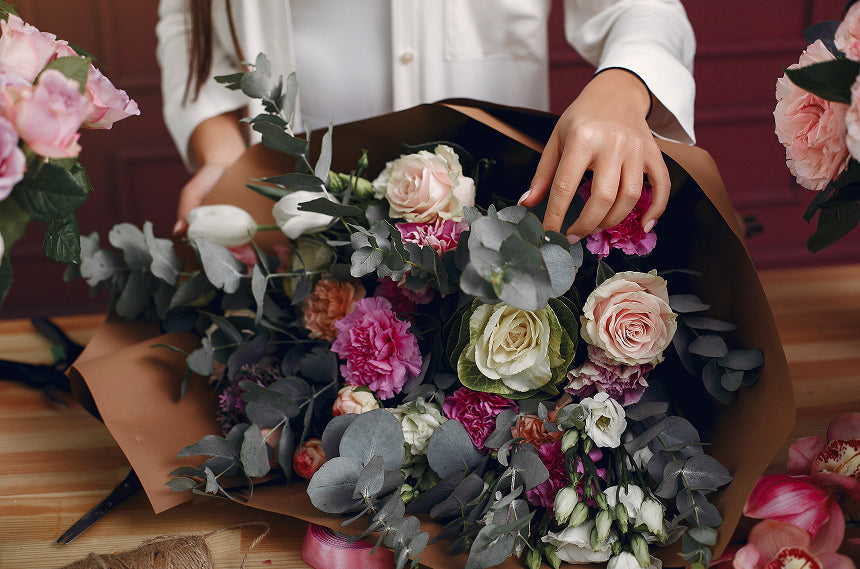
Flower arranging encourages people to make many of the same creative decisions found in art and design. Selecting colour combinations, balancing proportions, creating focal points, and experimenting with texture all require observation and judgement. Even simple adjustments to stem placement can change the overall appearance of an arrangement, making the process an accessible form of creative exploration.
Simple blooms, in particular, can be powerful tools for creative exploration. A baby's breath bouquet, for example, beautifully illustrates how texture, spacing, and subtle details combine to form a visually balanced arrangement.
Beyond artistic development, these activities also foster mindfulness, encouraging us to focus on the present. Working with flowers can become a truly meaningful way to relax, reflect, and rekindle our imagination.
Choosing Flowers for Different Creative Moods
Different flowers can create different atmospheres depending on their colours, textures, and visual characteristics. Choosing blooms that align with the mood you hope to cultivate can help make a workspace or creative corner feel more intentional.
Soft flowers such as lavender, lisianthus, and lilies are often chosen for spaces focused on reflection, reading, or quiet concentration. Their gentle tones and elegant forms contribute to a calm and balanced environment.
Brighter blooms such as sunflowers and gerberas can introduce energy and optimism, making them popular choices for collaborative spaces or projects that benefit from enthusiasm and momentum.
Flowers with rich textures, such as hydrangeas, may appeal to those seeking visual stimulation and inspiration. Their layered clusters encourage closer observation and add depth to a room.
Rather than searching for a single flower associated with creativity, it can be more helpful to consider the mood and atmosphere you hope to create.

Bringing More Creativity Into Everyday Life Through Flowers
The enduring connection between flowers, creativity, and artistic expression has captivated generations. Through colour, texture, symbolism, and natural beauty, flowers continue to inspire fresh perspectives while bringing warmth and character into everyday spaces.
At D'Spring Flowers, every arrangement is designed with careful attention to colour, texture, and seasonal blooms, making it easy to find flowers that suit different moods, occasions, and spaces.
Explore our collections today for thoughtfully arranged flowers that inspire creativity, brighten workspaces, and bring beauty into everyday routines. Enjoy same-day flower delivery across Singapore for meaningful blooms suited to your home, office, or creative corner.